
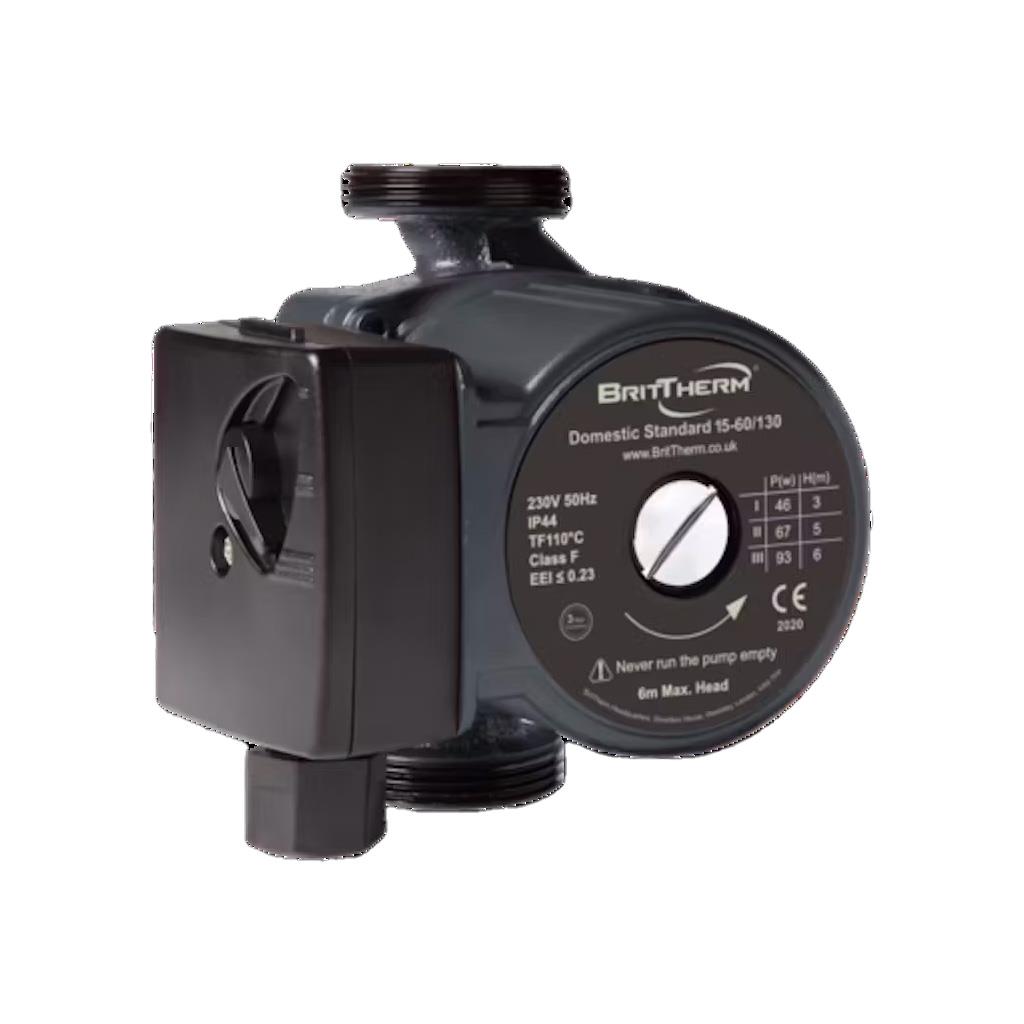
What Are Central Heating Water Pumps and Why Are They Important?
In central heating systems, efficient and uniform heat distribution throughout a building is essential for comfort and energy efficiency. One of the most critical components of these systems is the central heating water pump. This pump is responsible for circulating hot water within the heating loop, and without it, proper system operation would not be possible.
What Is a Central Heating Water Pump?
A central heating water pump is an electromechanical device designed to circulate hot water produced by a heat source—such as a boiler, furnace, or central heating unit—through pipes, radiators, fan coils, or underfloor heating systems.
The pump ensures that heated water reaches all areas of the building and then returns to the heat source after transferring its thermal energy.
How Does a Central Heating Pump Work?
The operating cycle of a central heating pump is simple yet vital:
Water is heated inside the boiler or heat generator.
The pump pushes the hot water into the heating distribution network.
Hot water flows through radiators or other heating terminals, releasing heat into the space.
The cooled water returns to the boiler to be reheated.
This continuous circulation maintains a stable and comfortable indoor temperature.
Types of Central Heating Water Pumps
Central heating pumps are classified based on design and application:
1. Circulator Pumps
The most common type, specifically designed for continuous circulation in closed-loop heating systems.
2. In-Line Pumps
Installed directly in the piping system, typically used in medium to large heating installations.
3. Variable-Speed Pumps
These pumps automatically adjust motor speed based on system demand, significantly reducing energy consumption and improving efficiency.
Benefits of Using the Right Central Heating Pump
Selecting a suitable pump offers several advantages:
Even heat distribution throughout the building
Reduced energy consumption and operating costs
Improved system efficiency and performance
Extended lifespan of boilers and heating equipment
Lower noise and vibration levels
Applications of Central Heating Water Pumps
These pumps are widely used in various environments, including:
Residential buildings
Commercial and office complexes
Hospitals and healthcare facilities
Hotels and hospitality buildings
Industrial plants and warehouses
Underfloor heating systems
Key Factors to Consider When Choosing a Central Heating Pump
When selecting a pump, the following parameters should be considered:
Required flow rate and head
Heating system capacity
Building size and number of floors
Type of heat distribution system (radiators, fan coils, underfloor heating)
Energy efficiency rating and power consumption
Maintenance and Service of Central Heating Pumps
To ensure long-term reliable operation, regular maintenance is recommended:
Periodic inspection and servicing
Proper air removal from the system
Keeping filters and pipework clean
Monitoring pump noise and performance
Conclusion
Central heating water pumps are essential components of modern heating systems, directly affecting comfort, efficiency, and energy consumption. Choosing the right pump and maintaining it properly can significantly enhance system performance while reducing operating costs. In both residential and commercial applications, a well-designed central heating pump is a key element of an efficient and reliable heating solution.