
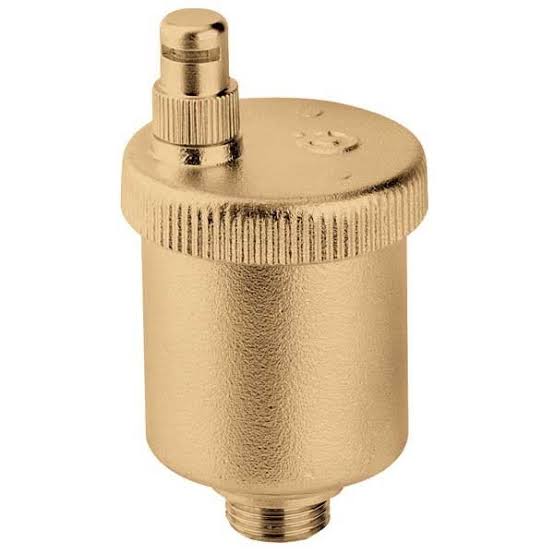
What Is an Air Vent and What Is It Used For?
In heating, cooling, and mechanical systems, trapped air inside pipes can cause serious performance issues. An air vent is a small but essential component designed to eliminate this unwanted air and ensure the system operates efficiently and reliably.
What Is an Air Vent?
An air vent is a device used to remove trapped or accumulated air from closed systems, such as central heating, cooling, and HVAC installations.
Air trapped inside pipes and equipment can reduce efficiency, cause noise, and even damage system components. Air vents play a critical role in preventing these problems.
Why Is Air Removal Important?
Trapped air in mechanical systems can lead to several issues, including:
Reduced heat transfer efficiency
Uneven heating of radiators
Noise in pipes and equipment
Increased energy consumption
Corrosion and damage to pumps and heat exchangers
By continuously removing air, air vents help maintain optimal system performance.
How Does an Air Vent Work?
Air vents are typically installed at the highest points of a system, where air naturally accumulates. Their operation is simple and automatic:
Trapped air enters the air vent chamber.
The internal float drops as air accumulates.
The air release valve opens.
Excess air is discharged from the system.
Once air is released, the valve closes automatically.
This process occurs without manual intervention.
Types of Air Vents
Air vents are classified based on design and application:
1. Automatic Air Vents
The most common type, designed to automatically release air from the system.
2. Manual Air Vents
Used for manual air removal, commonly installed on radiators.
3. Industrial Air Vents
Designed for large systems with high pressure and temperature, such as boiler rooms and industrial installations.
Applications of Air Vents
Air vents are widely used in:
Central heating systems
Boiler rooms
Cooling systems and chillers
Radiators and fan coil units
Underfloor heating systems
Industrial and commercial mechanical installations
Benefits of Using Air Vents
Installing air vents provides several advantages:
Improved system efficiency
Lower energy consumption
Reduced noise and vibration
Extended lifespan of pumps and equipment
Stable and reliable system operation
Recommended Installation Locations
For best performance, air vents should be installed at:
The highest points of the piping network
Manifolds and collectors
On boilers or heat exchangers
Designated locations near pumps
Conclusion
Although small in size, air vents play a vital role in the proper operation of heating and cooling systems. By removing trapped air, they improve efficiency, protect system components, and ensure smooth, quiet operation. Choosing the right air vent is a smart investment for any HVAC or mechanical system.